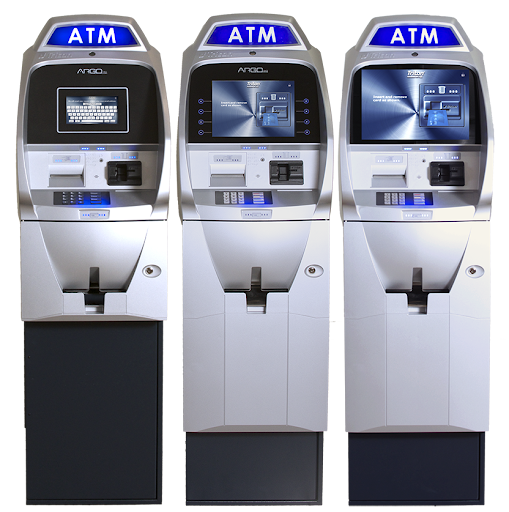
How to Start an ATM Business

Starting an ATM business is one of the most accessible and scalable ways to build passive income as an entrepreneur. The model is straightforward: you own ATM machines, place them in high-traffic locations, and collect a surcharge fee every time someone makes a withdrawal. Startup costs are low, there’s no storefront to run, no employees to manage, and you can start with a single machine.

ATM Money Machine has helped hundreds of entrepreneurs start ATM businesses over nearly 30 years. We provide everything you need to launch — the machines, in-house processing, sample contracts, marketing materials, and real one-on-one support from people who know this business inside and out.

Here is a complete guide to starting an ATM business the right way.

TALK WITH AN ATM STARTUP SPECIALIST
ATM machine for starting an ATM business
Download the step-by-step Guide
ATM BUYERS GUIDE
CONTACT US
What Is an ATM Business and How Does It Work?
An ATM business, also known as an independent ATM deployer (IAD) business, involves owning one or more ATM machines placed at third-party business locations. You negotiate an agreement with each host business, install your machine, and collect the surcharge fee charged to customers who use it.

How You Make Money

Your revenue comes from the surcharge fee on each withdrawal. The national average surcharge is approximately $3.22. If your ATM processes 300 transactions a month at that rate, that’s about $966 in gross surcharge revenue from a single machine. If you’re paying the location owner $.75 per transaction, that’s $225 to them — leaving you with over $700 from that machine. Not every location will do 300 transactions a month, and your actual numbers will depend on foot traffic, surcharge level, and what you negotiate with the location.

How Much Does an ATM Business Owner Earn?

Earnings vary based on the number of machines you operate, their locations, and transaction volumes. A single machine can bring in anywhere from $200 to $1,000 or more per month in surcharge revenue. Using the per-machine example above, an operator with five to ten well-placed machines can realistically net $1,500 to $7,000 or more per month, depending on traffic and location split.

Is an ATM Business Profitable? What to Expect in Year One

What to Expect in Year One Yes — for operators who choose good locations and stay on top of their machines. In year one, most operators focus on recouping their initial machine investment, which typically takes six to twelve months depending on transaction volume. Once the machine is paid off, the surcharge revenue is mostly yours — your ongoing costs are minimal.

How to Start an ATM Business Step by Step

Here is a practical, step-by-step framework for launching your first ATM business.

Step 1 — Learn the Business Before You Buy

Understand What You’re Getting Into Before you buy a machine, get a clear picture of what the ATM business actually looks like: how much it costs to get started, what kinds of locations make money, how the surcharge revenue works, and what your day-to-day responsibilities are as an operator. We provide a step-by-step guide that walks you through the entire process, and our team is available to answer any questions before you spend a dollar.

Step 2 — Secure Your Capital

Secure Your Capital You’ll need capital to purchase your first machine and load it with cash. New ATMs start at $2,399, and used machines start at $1,599. You’ll also need cash to stock the machine — typically $1,500 to $4,000 to start, depending on expected volume. . Plan for at least $5,000 per location to cover both the machine and the initial cash supply. ATMs cannot be leased.

Step 3 — Research and Choose Your Target Locations

Location is the single most important factor in ATM profitability. Research businesses in your area with consistent foot traffic, a customer base that uses cash, and limited existing ATM access. Bars, convenience stores, laundromats, entertainment venues, and retail shops are all strong candidates.

ATM Money Machine does not find locations for you — that’s your job as the operator. But we do provide marketing handouts that make it easier to pitch business owners on the benefits of having an ATM on-site.

See our guide to finding the best ATM placement locations for a detailed breakdown of what makes a location profitable

Step 4 — Negotiate Your Location Agreement and Commission Split

location agreement formalizes your arrangement with the host business. It covers the commission the business owner receives per transaction, the terms of the agreement, and who handles what. We provide sample contracts to every customer to help you structure a fair, clear agreement.

Many business owners are happy to have an ATM in their location and some don’t ask for any commission at all. For those who do, our suggested commission is on a sliding scale:

0–200 surcharge transactions: $.25 per transaction to the business owner 201–400 surcharge transactions: $.45 per transaction to the business owner 401–700 surcharge transactions: $.50 per transaction to the business owner 701+ surcharge transactions: $.75–$1.00 per transaction to the business owner.

Step 5 — Set Up Your ATM Processing and Merchant ID

TM processing connects your machine to the card networks and handles all transaction routing and settlement. When you buy from us, our in-house processing is included. We set up your merchant ID and configure processing before your machine ships, so everything is ready on arrival. You can use either a personal or business bank account for ATM transactions, and you don’t need an LLC or business entity to get started — you can complete the paperwork as an individual.

Step 6 — ATM Connection Options

Every ATM needs a connection to a processing server and access to a power outlet. There are three connection options:

Hardwired internet line — the most reliable option, connecting via an Ethernet jack. ATMs cannot connect to a business’s Wi-Fi; you need a hardwired Ethernet connection from the modem or an Ethernet jack.

Phone line — a traditional but less common option.

ATM wireless box — a dedicated wireless solution that requires no physical lines. If the business doesn’t have internet or a phone connection available, you can purchase an ATM wireless box that provides a secure, dedicated signal for ATM transactions.

Step 7 — Choose Your ATM to Purchase

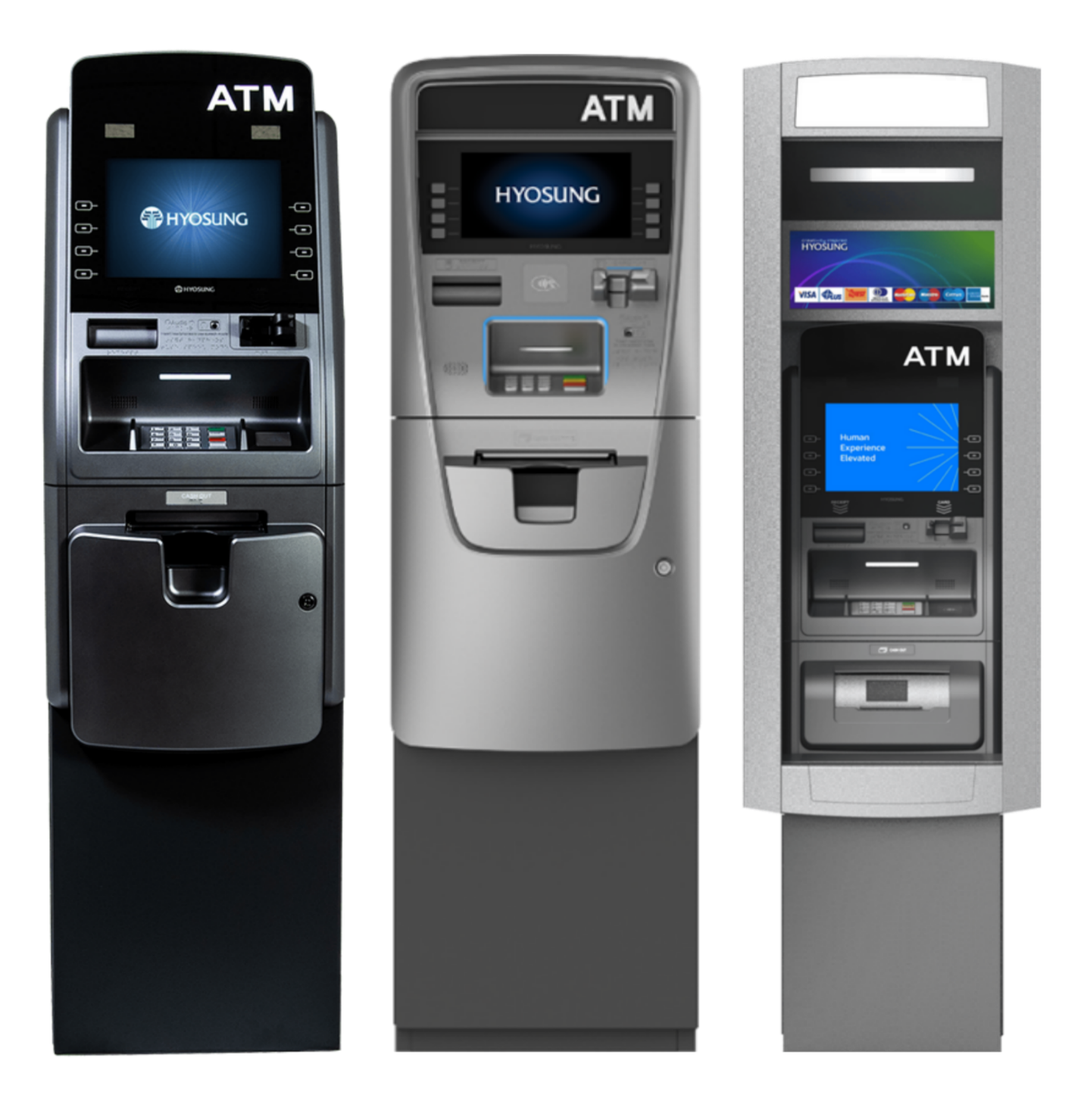
Choose Your ATM Once you have a location secured, it’s time to pick your machine. We carry new ATMs from Genmega, Hyosung, and Triton, as well as used machines at a lower price point. Every machine ships fully pre-programmed and plug-and-play — you plug it in, load it with cash, and it’s ready to process transactions.

New ATMs start at $2,399. Used machines start at $1,599. If budget is your main concern and the location is moderate-traffic, a used machine is a smart entry point. If you have a high-traffic location lined up and want maximum reliability from day one, go new.

Contact us and we’ll walk you through your options.

Step 8 — Install, Load, and Launch

Your machine ships directly to the location, fully pre-programmed. Plug it in, load it with cash, and test a transaction. It comes with a step-by-step guide and videos that walk you through how to operate it, and a video call with our team is available at no charge if you need help getting started. Most operators are up and running in under 30 minutes.

Step 9 — Monitor, Maintain, and Scale

We set you up with online monitoring so you can track your machine’s transactions, cash levels, and status from any device. You can set up text and email alerts for when cash is running low or if the machine has any errors, so you always know what’s going on with your ATM.

Most ATM owners stock $1,500 to $4,000 in the machine. Standard ATMs hold between $16,000 and $20,000 in twenties, so the more you load, the less often you need to visit to refill. The money you load is recycled — customers withdraw it, and it gets deposited back to your bank account the next business day.

Once your first machine is profitable, scaling is straightforward: find more high-traffic locations, secure agreements, buy more machines, and repeat. Many operators start with one machine and build routes of 10, 20, or more over time.

How to Get an ATM Machine for Your Business

Choosing the right machine for your first location matters. Here are your main options.

Buy a New ATM Machine

A new ATM is the best choice for operators who want maximum reliability and the latest technology. Every new machine comes with a full factory warranty and an optional lifetime warranty that covers parts and labor for the life of the machine. New machines require less maintenance in the early years and every component is in factory condition. We carry new ATMs from Genmega, Hyosung, and Triton.

Buy a Certified Used ATM Machine

A certified used ATM is a great option for budget-conscious first-time operators. Every used machine in our inventory has been inspected, tested, and refurbished by our in-house technicians and is confirmed to be EMV-compliant and ready to deploy.

New vs. Used ATM: Which Is Right for Your First Machine?

If budget is your primary concern and your target location is moderate-traffic, a used machine is a smart entry point. If you have a high-traffic location lined up and want to maximize uptime from day one, invest in a new machine. Contact us and we’ll help you decide

How Much Does It Cost to Own an ATM Machine?

Your first-year costs for a single ATM include the machine itself (used from $1,599, new Genmega and Hyosung from $2,399, new Triton from the mid-$3,000s), the initial cash to stock it ($1,500 to $4,000), any commission you pay the location owner, and basic maintenance, which is minimal.

How to Find the Best Locations for Your ATM Business

The quality of your locations determines the profitability of your ATM business. Here is how to identify and secure strong placements.

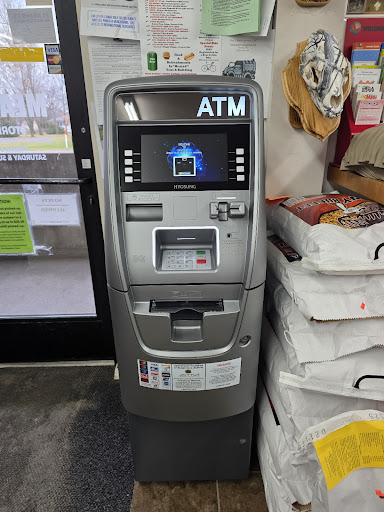
What Makes a Location Profitable for an ATM

The best ATM locations share a few key characteristics: high daily foot traffic, a customer base that regularly uses cash, limited nearby ATM competition, extended business hours, and a business owner who is motivated to partner with you. It comes down to foot traffic. The more people walking through a business on a daily basis, the more transactions your ATM will process.

The Best Business Types for ATM Placement

Convenience stores, bars and nightclubs, laundromats, entertainment venues, hotels, dispensaries, and busy retail shops are among the most consistently profitable ATM locations. Avoid low-traffic offices, quiet residential areas, or locations where customers rarely need cash.

How to Pitch a Business Owner to Place Your ATM

When approaching a business owner, lead with what’s in it for them. Explain that you’ll place and maintain the ATM at no cost to them, and that they’ll earn a commission on every transaction. Most business owners respond well to the idea of a new revenue stream with zero investment on their end. We provide printable handouts you can give to business owners that lay out the benefits of having an ATM on-site.

What to Include in a Location Agreement

Your agreement should cover the surcharge amount, the commission per transaction, the length of the agreement and renewal terms, and the process for ending the agreement. You, as the ATM owner, are responsible for loading the cash and maintaining the machine. We provide sample contracts to every customer.

Genmega ATMs

Hyosung ATMs

Triton ATMs

Browse Genmega ATMS
Browse Hyosung ATMs
Browse Triton ATMs

How to Own an ATM Machine

Owning an ATM involves a few ongoing operational responsibilities. Here is what day-to-day ATM ownership looks like.

Loading Cash

You are responsible for keeping your machine stocked with cash. Monitor cash levels regularly through our online portal and replenish as needed. Plan your loading schedule around your machine’s transaction volume to minimize trips while ensuring the machine is never empty during peak hours.

Monitoring Your ATM in Real Time

Our real-time monitoring platform gives you instant visibility into your machine’s cash levels, transaction counts, and error status from any device. You’ll get text and email alerts when cash is running low or if there’s an error, so you can respond before it affects your revenue.

Maintaining and Servicing Your ATM

Your ATM Basic maintenance — cleaning the card reader, clearing paper jams, replacing receipt paper — is simple and you can handle it yourself. For anything more complex, our technician network is available to help. Learn more about our ATM maintenance services for ongoing support options.

Expanding Your ATM Route Over Time

Once your first machine is profitable, the path to scaling is straightforward. Identify additional high-traffic locations, secure agreements, purchase additional machines, and repeat the process. Many successful ATM business owners started with a single machine and built routes of 10, 20, or more machines over several years.

ATM Business Requirements and Legal Considerations

Starting an ATM business is relatively low-barrier from a regulatory standpoint, but there are some legal considerations to be aware of.

Do You Need a License to Start an ATM Business?

In most states, no specific license is required to operate as an independent ATM deployer. However, some states have registration or disclosure requirements. You will need a merchant ID, which we set up for you as part of the processing setup when you buy from us. Our team can point you to the relevant regulations for your state. It is always a good idea to consult with a local business attorney before you launch.

Do You Need to Register a Business Entity?

No. You don’t need an LLC or any business entity to buy an ATM or start operating — you can complete the paperwork as an individual and use a personal bank account for ATM transactions. If you want to set up an LLC, you can, but it’s not required.

What Banking and Processing Compliance Do You Need?

As an ATM operator, your machine must comply with PCI DSS security standards and the EMV chip-card requirements set by the major card networks. All ATMs we sell are EMV-compliant, and our processing infrastructure is PCI DSS certified. We keep you updated on any compliance changes so you’re never caught off guard.

Common Mistakes to Avoid When Starting an ATM Business

Learning from the mistakes of others is one of the fastest ways to accelerate your success. Here are the most common pitfalls we see new ATM operators make.

Choosing a Low-Traffic Location

The single biggest mistake new ATM owners make is placing their first machine in a location without adequate foot traffic. A machine in a low-traffic area may process fewer than 50 transactions per month, making it nearly impossible to recoup your investment in a reasonable timeframe.  The good news is, if your location doesn’t do the volume you hoped it would, you can easily move the machine to a new location.

Underestimating Your Cash Loading Capital

A machine that processes 300 transactions a month at an average withdrawal of around $60 is dispensing roughly $4,500 a week. You don’t need $4,500 sitting in the machine at all times — remember, the cash customers withdraw gets deposited back to your bank account the next business day, so it recycles. But you do need enough loaded that the machine doesn’t run dry between your visits. Running out of cash on a busy night means lost revenue and frustrated customers.

Buying from the Wrong ATM Provider

Not all ATM vendors offer the same level of support after the sale. Buying a machine from a provider that offers no ongoing support, no processing assistance, and no maintenance resources can leave you stranded when problems arise.

Skipping a Location Agreement

Operating without a formal location agreement creates significant risk. A business owner can ask you to remove your machine at any time, leaving you without a placement and with a machine earning nothing.

Start Your ATM Business with ATM Money Machine

ATM Money Machine is a family business — Larry Galvin founded it in 1997, and today he runs it alongside his daughter, Meghan Stamelos. We’re not just selling you a machine — we’re a long-term partner, and we’ve helped hundreds of entrepreneurs build ATM businesses from the ground up. After nearly 30 years, we hold an A+ rating from the Better Business Bureau.

Watch our step-by-step video guide to see exactly how the process works: How to Start an ATM Business — Step by Step

You can also see our real ATM installations across the country on Instagram at @atmmoneymachine1.

Nearly 30 Years Helping Entrepreneurs Launch ATM Businesses

We have been in the ATM industry since the beginning and have helped hundreds of entrepreneurs build successful ATM businesses from the ground up. Our experience means we can anticipate the challenges you will face and help you navigate them before they become problems.

Sample Contracts and Marketing Tools Included

Every customer who buys from us receives access to sample location agreements, a commission structure guide, and marketing materials to help them pitch business owners and close placements.

In-House Processing

Our in-house ATM processing is included with every machine purchase. We configure your processing account before your machine ships and remain your processing partner for the life of your machine.

Real Support from Real People, Not a Call Center

When you need help, you reach a member of our team directly. We do not outsource support or route calls through automated systems. Every question gets a knowledgeable, personal answer from someone who understands the ATM business inside and out.

FAQs About Owning and Operating an ATM Business

Plan for at least $5,000 per location — that covers the machine (new from $2,399, used from $1,599) plus the initial cash to stock it ($1,500 to $4,000 depending on the location).

Net earnings typically range from $200 to over $1,000 per month per machine, depending on transaction volume, surcharge amount, and any commission you pay the location. . High-traffic machines in premium locations can earn significantly more.

Most ATMs reach full payback within six to twelve months of consistent operation. A machine earning $300 per month net will pay back a $2,500 investment in roughly eight months.

Absolutely. You do not need to own a business to be an ATM owner. Most independent ATM deployers place machines in other people’s businesses. You own the machine, collect the surcharge revenue, and pay the host business a commission.

Contact our team to discuss your location and goals. We will help you choose the right machine, handle programming and processing setup, and ship it to you ready to deploy. The whole process from purchase to live machine typically takes less than two weeks.

No prior experience is required. The ATM business is one of the most beginner-friendly passive income models available. Our team provides the guidance, tools, and support you need to launch successfully even if you have never owned an ATM before.

Contact ATM Money Machine